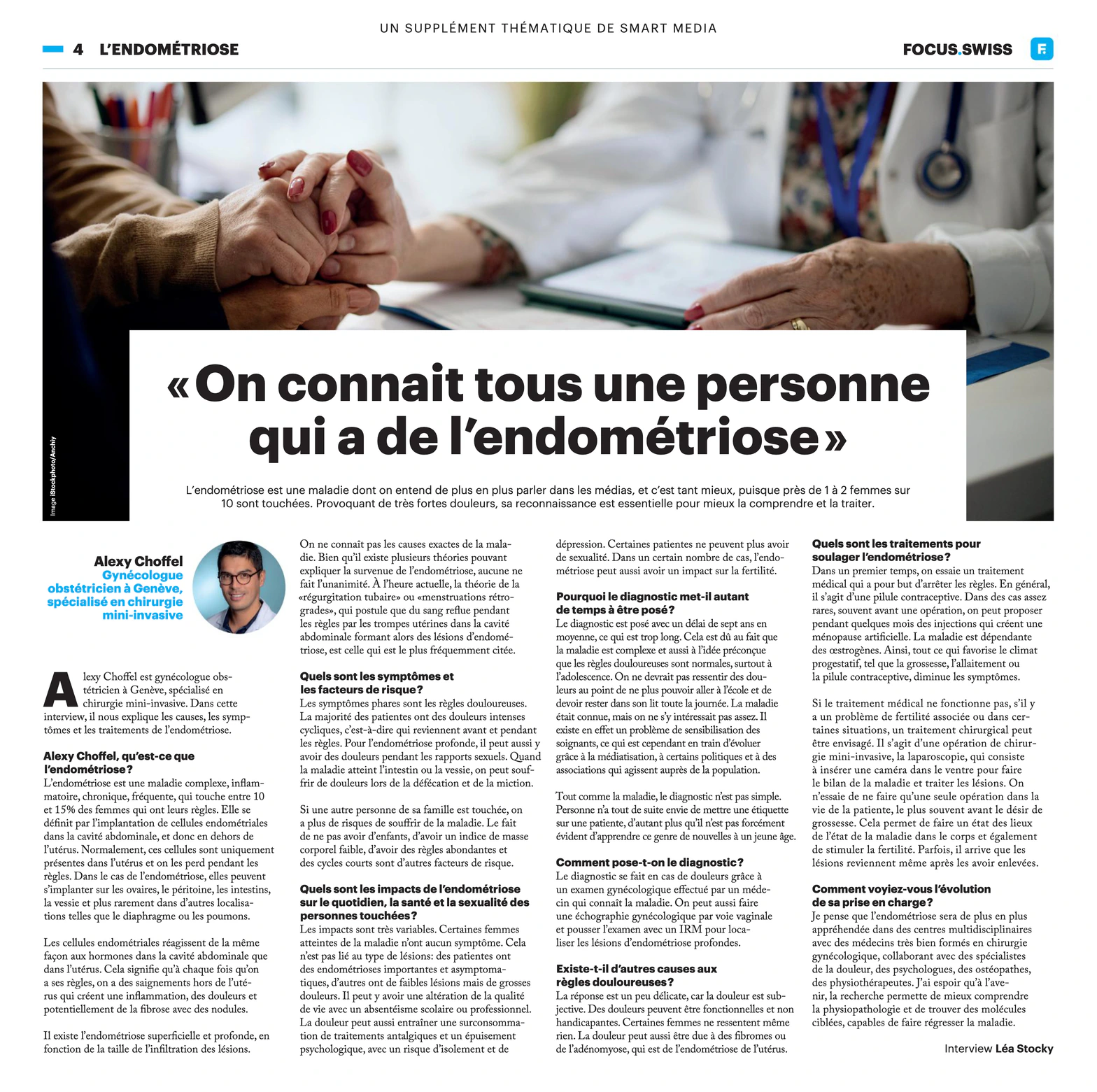
 EndoFrance
Groupe Médical de Champel
- Phone
- +41 (0) 22 888 44 06
- Availability
- Monday, Tuesday, Thursday, and Friday 08:00–16:00

Pathologies
Every condition is different, and so is every woman. Dr. Choffel takes the time to explain, diagnose, and treat the most common gynecological conditions with precision.
Endometriosis is a chronic gynecological disease that affects approximately one in ten women. It is defined by the presence of tissue similar to the endometrium (the lining of the uterus) outside the uterine cavity.
Normally, the endometrium thickens each month to prepare for a potential pregnancy. If fertilization doesn’t occur, it is shed during menstruation. In endometriosis, similar cells attach to other organs (ovaries, fallopian tubes, uterine ligaments, and sometimes the bladder or intestines).
During the menstrual cycle, these tissues react to hormones and bleed, but because they cannot be expelled, they cause inflammation, intense pain, and sometimes the formation of cysts or adhesions.
Endometriosis manifests itself very differently from one woman to another. The most frequent signs are:
Painful periods (dysmenorrhea) : often debilitating, with little or no relief from conventional painkillers.
Chronic pelvic pain : pulling sensations outside of menstruation.
Pain during sexual intercourse (dyspareunia) : a sensation of deep pain.
Digestive or urinary problems : particularly pronounced during menstruation.
Difficulty conceiving : endometriosis is one of the causes of infertility.
Because endometriosis is a complex disease, Dr. Choffel offers a personalized treatment strategy tailored to the severity of your symptoms and your desire to become pregnant.
Accurate Diagnosis : The first step involves carefully listening to your symptoms, supplemented by specialized imaging examinations (expert pelvic ultrasound or MRI) to precisely map the lesions.
Medical Treatment : In many cases, hormonal treatment (to stop menstruation) may be sufficient to stabilize the disease and relieve pain.
Surgical Expertise (Laparoscopy & Robotics) : When medical treatment is insufficient or when a pregnancy plan is hindered, surgery may be necessary.
Dr. Choffel favors minimally invasive surgery:
Laparoscopic Excision : To remove lesions with great precision while preserving healthy organs.
Da Vinci Robotic Surgery : Thanks to 3D vision and extreme maneuverability, the robot allows Dr. Choffel to operate on delicate areas with increased safety, reducing the risk of complications and promoting rapid healing.
Myomas, more commonly known as fibroids, are the most frequent non-cancerous (benign) tumors of the female reproductive system. It is estimated that they affect between 20% and 50% of women of reproductive age.
It is a mass of muscular tissue that develops in or on the wall of the uterus. A fibroid can be single or multiple, and its size varies from a few millimeters to several centimeters.
There are three main types depending on their location:
Submucosal : inside the uterine cavity (often causing bleeding).
Intramural : within the muscle of the uterus.
Subserosal : on the outer wall of the uterus (potentially compressing nearby organs).
While many fibroids are asymptomatic and discovered during a routine ultrasound, they can sometimes become debilitating:
Very heavy or prolonged periods (menorrhagia).
Bleeding between periods (metrorrhagia).
Pelvic pain or heaviness.
Frequent urges to urinate (if the fibroid is pressing on the bladder).
Discomfort during sexual intercourse.
Infertility or recurrent miscarriages.
Treatment for fibroids is not always necessary: it depends on the discomfort experienced and your desire to become pregnant. Dr. Choffel always prioritizes the most conservative and least invasive approach.
Diagnosis : A clinical examination combined with a pelvic ultrasound (sometimes supplemented by an MRI or diagnostic hysteroscopy) allows for precise mapping of the fibroids.
Surgical Treatment of Excellence : When medical treatment is no longer sufficient, Dr. Choffel offers cutting-edge surgical solutions:
Operative Hysteroscopy : For fibroids located inside the uterus (submucosal). The procedure is performed vaginally, without any incisions, often on an outpatient basis.
Laparoscopic Myomectomy : To remove fibroids while preserving the uterus. This minimally invasive technique uses small incisions, allowing for aesthetic healing and rapid recovery.
Da Vinci Robotic Surgery : For complex, numerous, or large fibroids. The robot allows Dr. Choffel exceptional suturing precision to perfectly reconstruct the uterine wall, a major advantage for patients wishing to have a future pregnancy.
Laparotomy (Traditional Open Surgery)
Although Dr. Choffel favors minimally invasive techniques, laparotomy may be necessary in certain specific situations (for example, in the presence of very large multiple fibroids or contraindications to laparoscopy).
The procedure: The surgery is performed through a horizontal incision above the pubic bone (similar to a cesarean section scar in most cases).
Why this choice? It offers the surgeon direct and maximum exposure to treat large or complex pathologies that could not be safely removed through small incisions.
Patient Support: Even during laparotomy, Dr. Choffel implements enhanced recovery protocols (ERAS) to optimize your comfort and recovery.
Treatment for fibroids must be tailored to address your symptoms while respecting your life plan and your desire for motherhood.
An ovarian cyst is a fluid-filled sac that develops on or inside an ovary. It is an extremely common condition. In the vast majority of cases, these cysts are benign (non-cancerous) and do not affect long-term health.
It is essential to distinguish between two categories of cysts:
Functional Cyst (the most common) : This type is linked to the menstrual cycle. It appears during ovulation and usually disappears on its own within a few weeks. It does not require surgery, but simply monitoring with ultrasound.
Organic Cyst : This type of cyst does not disappear on its own. It may be a dermoid cyst, a cystadenoma, or an endometrioma (related to endometriosis). These cysts often require treatment because they can grow, cause pain, or lead to complications (such as ovarian torsion).
A uterine polyp is a small growth that develops from the lining of the uterus (the endometrium). Imagine a small “tag” of flesh, usually the size of a grain of rice or a cherry, growing inside the uterine cavity.
In the vast majority of cases, polyps are benign (non-cancerous) tumors. However, their presence can disrupt the normal functioning of the uterus and cause uncomfortable symptoms.
Some polyps are completely asymptomatic, but they often manifest as:
Bleeding between periods (spotting).
Particularly heavy or prolonged periods.
Bleeding after menopause (which should always prompt a consultation).
Difficulty conceiving, as the polyp can prevent implantation of the embryo.
The diagnosis is usually made during a pelvic ultrasound or a diagnostic hysteroscopy (a quick examination performed in the office using a miniature camera, without anesthesia).
The treatment: Operative Hysteroscopy When a polyp is causing symptoms or interfering with fertility, Dr. Choffel removes it via operative hysteroscopy. This is a standard procedure that prioritizes your comfort:
No scarring : The procedure is performed through the natural openings. There are no incisions on the abdomen.
Extreme precision : Under video guidance, Dr. Choffel removes the polyp with millimeter precision, while perfectly preserving the rest of the uterine lining.
Rapid recovery : The procedure is most often performed on an outpatient basis (admission and discharge on the same day). Post-operative pain is minimal, allowing you to resume your activities the very next day.
Systematic analysis Each polyp removed by Dr. Choffel is sent for histological analysis (under a microscope) to confirm its benign nature and ensure the patient’s complete safety.
Removing a polyp is a simple, quick, and very effective procedure. If you are experiencing irregular bleeding, don’t wait: a simple ultrasound can often provide a diagnosis and offer an immediate solution.
On average, it takes about seven years for a woman to receive an official diagnosis of endometriosis. We know how exhausting and frustrating this wait can be. Our goal is to bring you clarity and relief much faster through a meticulous and personalized "mapping" of your condition.
We listen carefully to your symptoms, pain, and personal medical history.
A precise, respectful, and gentle examination performed by our specialists.
We use specialized ultrasounds and MRIs when necessary. We work exclusively with rigorously selected imaging experts to guarantee the absolute accuracy of your results.
A customized treatment strategy, designed specifically for you.
Surgery is not always the first step. We assemble a multidisciplinary team to manage your symptoms medically and holistically. Depending on your unique needs, we collaborate with:
Trusted digestive surgeons (gastroenterologists), urologists, and fertility experts.
We help you explore hormonal treatments and can refer you to specialized pain management centers for targeted treatments and psychological support.
We integrate paramedical treatments such as specialized physiotherapy, osteopathy, and acupuncture to support your daily comfort and post-operative recovery.
When conservative treatments are no longer effective, minimally invasive surgery offers the most precise and least painful solution. Thanks to robot-assisted surgery, we can optimally remove endometriosis lesions while preserving healthy tissue and fertility, whenever possible and desired. The gold standard for surgical management is laparoscopy (or celioscopy).
In Switzerland, we are fortunate to offer state-of-the-art facilities equipped with the latest technologies, guaranteeing safety, rapid recovery, and minimal scarring.
Learn more about surgery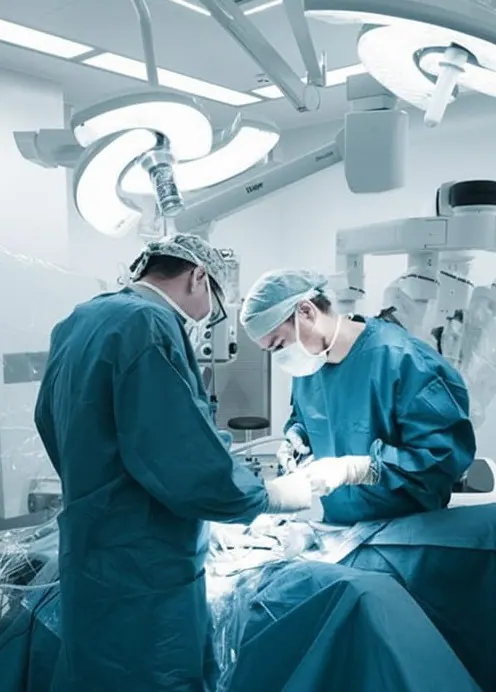
You don't have to go through this alone. We highly recommend exploring the resources and support communities:
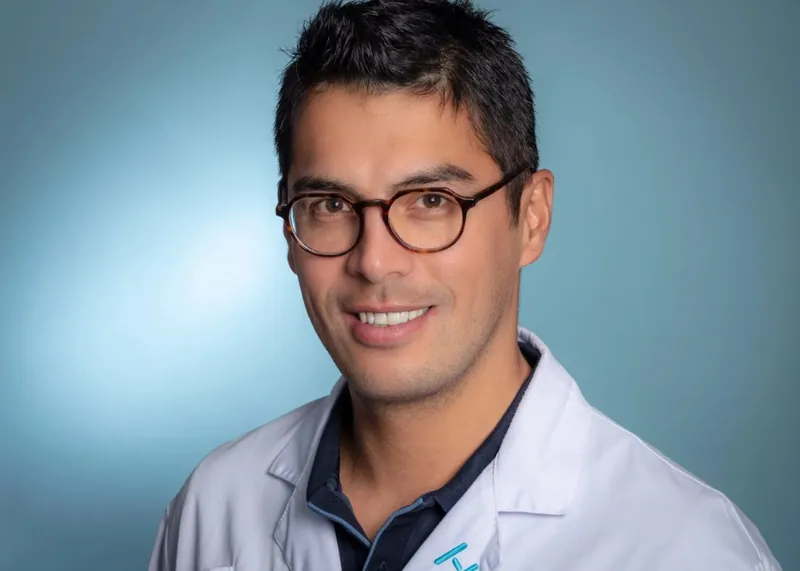
About
Demanding yet deeply human medicine, centered on every woman and her priorities. Attentive listening, surgical expertise and personalized care to guide you at every step of your healthcare journey.
Learn more about AlexyStart your journey to better health today

Contact